

NSCC programs for energy careers
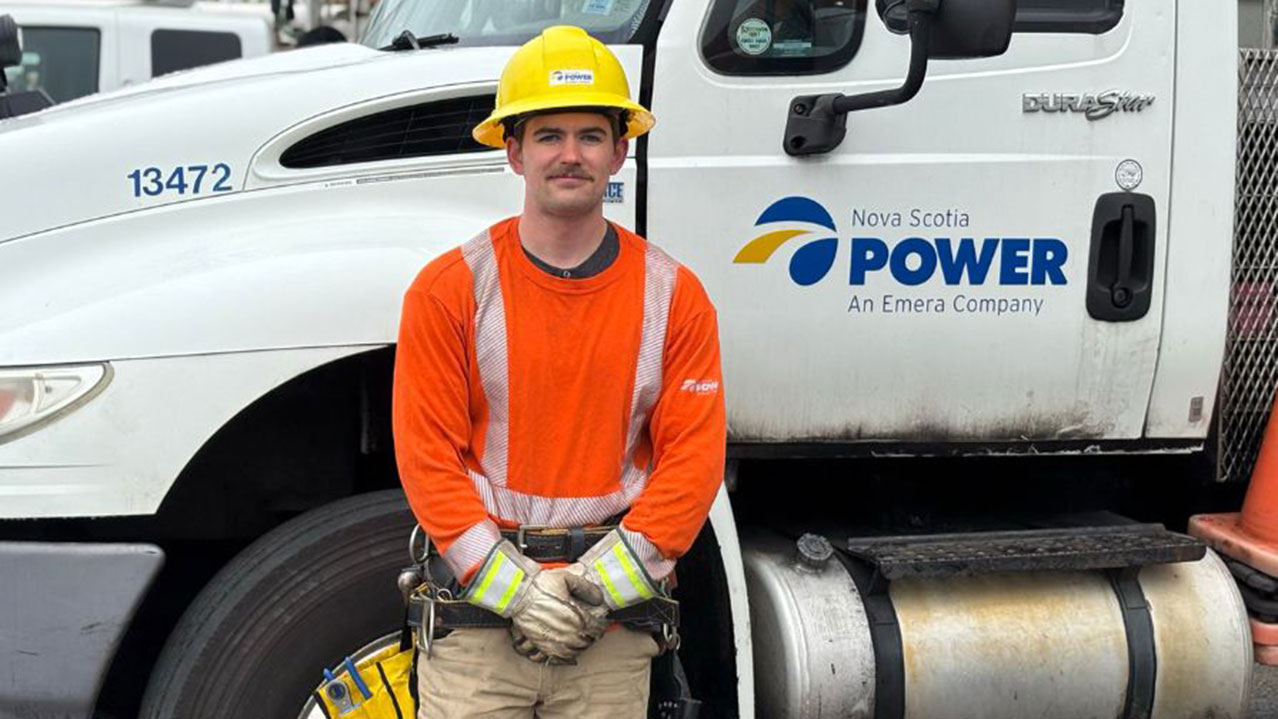
Behind the electricity powering communities and the technologies driving the energy transition are skilled people designing, building, operating and maintaining complex systems.
As Canada's energy sector grows and evolves, the need for skilled workers continues to grow with it. Whether you're interested in working with power systems, maintaining critical infrastructure or supporting emerging technologies, there are opportunities to build a meaningful career in energy.
Find a program for a career in energy
Whether you're drawn to working with your hands, solving technical problems, supporting essential infrastructure or shaping the future of energy, there's a program that's right for you.
Electrical systems, utilities and power infrastructure
Programs for people who are interested in how communities stay powered and connected. You enjoy problem-solving, working with technology and want to learn more about what keeps homes, businesses and infrastructure running.
- Power and Utility Line Work
- Electrical Technician
- Electrical Engineering Technology
- Power Engineering Technology
- Instrumentation Technician
Renewable energy and emerging technologies
Programs for people who enjoy working outdoors and using technology to solve problems. You're interested in how natural resources are managed and how emerging technologies are shaping industries.
Engineering technologies and industrial systems
Programs for people who enjoy technical problem solving and learning by doing. You like figuring out how things work and finding practical solutions to complex challenges.
Skilled trades and industrial maintenance
Programs for hands-on learners who enjoy building and repairing equipment and systems. You want job-ready skills that can be applied across a range of industries, including energy.
- Electrical Construction and Industrial
- Electrical Industrial Maintenance and Controls
- Electro Mechanical Technician
- Electronic Systems Technician
Why study energy-related programs at NSCC?
- Learn by doing. Build practical skills through labs, field training, simulations, applied projects and real-world learning experiences.
- Train using industry-standard equipment. Learn with the tools, technologies and systems used by employers in the energy sector.
- Build skills employers need. Develop the technical and practical expertise needed to support electrical systems, utilities, industrial operations and emerging energy technologies.
- Pathways to grow your career. Opportunities may include apprenticeships, graduate certificates, university transfer agreements and industry-recognized certifications.