

Students mark 25 service‑learning projects with community rebrand
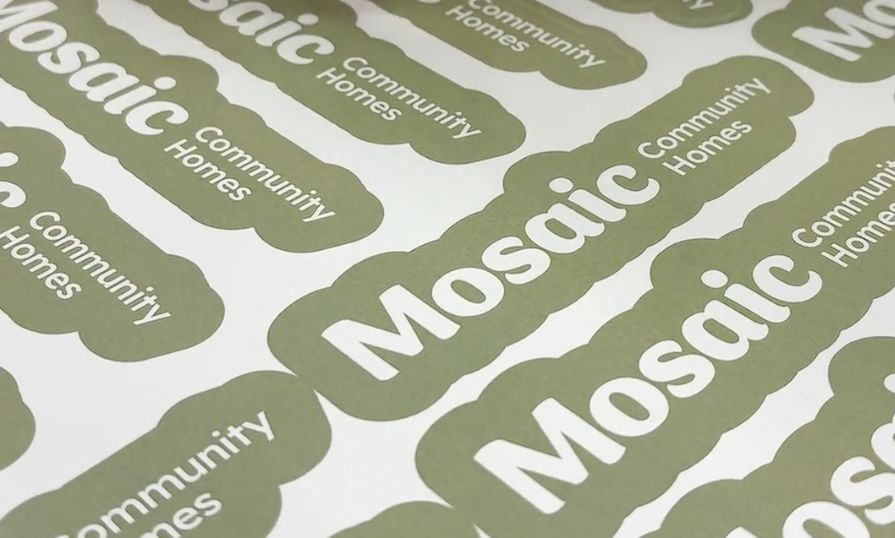
For more than a decade, NSCC’s Graphic and Print Production (GAPP) program has partnered with local organizations through its long-standing service-learning tradition. This past winter, the program is celebrating a major milestone – its 25th service-learning project, a hands-on experience that builds students' industry–ready skills and their connection to community. To mark the occasion, students collaborated with Mosaic Community Homes Association, producing a full suite of new branded materials that will support the organization’s rebrand from Metro Community Housing Association to Mosaic Community Homes Association.
The GAPP program is the only program of its kind in Nova Scotia. Its classroom – an industry-simulated print and production shop – equips students with the technical and problem-solving skills needed to step into dynamic careers after graduation. For 2 weeks each semester, the shop comes fully to life: printers humming, students moving through each stage of production, working together to transform digital designs into finished products.
A community-driven program
“Service-learning has shaped this program,” says Doug Lewis, GAPP faculty. By partnering with nonprofits and delivering industry-standard materials free of charge each semester, students experience firsthand that print is not just a technical skill – it's a tool for communication, advocacy and real-world impact.
This semester’s partnership with Mosaic Community Homes Association marked more than a milestone for the program – it marked a new beginning for the nonprofit. “As our province continues to struggle with housing needs, Mosaic felt like a natural fit for our work,” says Tanya Boudreau, GAPP faculty. “The students’ support will help them launch their new brand and re-establish their identity and purpose.”
This support comes at an important time for the organization. “Periods of change can feel uncertain, but seeing our new branding represented so thoughtfully has created a sense of momentum and confidence across our organization,” says Kenda Riles, Community Access Manager at Mosaic Community Homes Association.
Inside the 2-week sprint
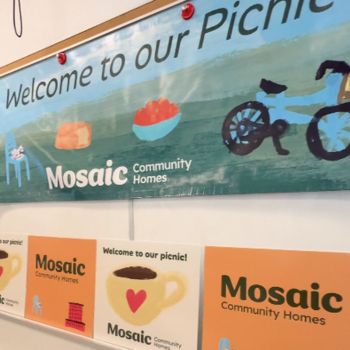
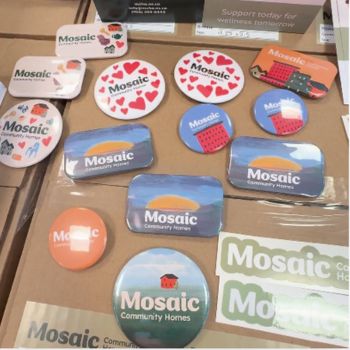
Over 2 weeks, students worked in groups, taking part in full-day, start-to-finish production. Together, they produced banners, business cards, posters, t-shirts, stickers, notepads, brochures and more for Mosaic. Unlike typical assignments, this project exposes them to the scale, volume and coordination required for a multi-product print job – mirroring the pace and expectations of the industry they’re preparing to enter.
“This project helped me understand the industry better and what my future career will look like,” says Oliver, a GAPP student. “Balancing deadlines, productivity and efficiency made it an exciting and rewarding experience.”
Printing with purpose
Aligning service-learning projects with local social needs is an intentional choice by program faculty. “It keeps the College connected to community needs and supporting those who always support us,” says Doug. “Students gain an understanding of how their skills function outside the classroom while supporting the mission of many nonprofits leading meaningful work.”
Over the past decade, the program has supported organizations including Phoenix House, Hope Blooms, Guided Grief, Cobequid Community Health Centre and Shelter Nova Scotia.
The program also produces smaller printed projects throughout the year as part of weekly assignments. Students are encouraged to recommend organizations and social issues they feel connected to or volunteer outside the classroom – an element that makes their hands-on learning even more meaningful.
Chris, a GAPP student, says Mosaic’s emphasis on dignity shaped the care the class put into their work. “It was important that our work reflected what Mosaic stands for,” they share. “I had a strong feeling of responsibility knowing how important these products would be for our client and our communities.”
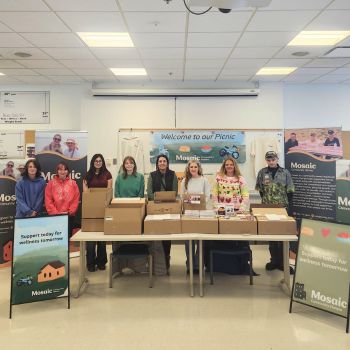
At the end of the project, the class hosted a “show and tell,” displaying the printed materials for the client. Kenda reflects fondly on the moment they received the final products. “Their creativity was not just about aesthetics – it was purposeful and aligned with our values,” she says. “This project was about more than branding, and there was a visible sense of pride among our team, faculty and students.”
It’s a moment Chris won’t forget. “Mosaic’s team were trying not to cry because of how much our work meant to them. It’s extremely fulfilling.”
Looking forward
As the print industry evolves, so does the GAPP program – continually incorporating new trends, technologies and equipment to prepare students for the future. Through every shift and innovation, one thing remains consistent: the impact of service-learning, both in strengthening community organizations and in shaping students into skilled, thoughtful professionals ready to make a difference.