

Careers in the forest sector
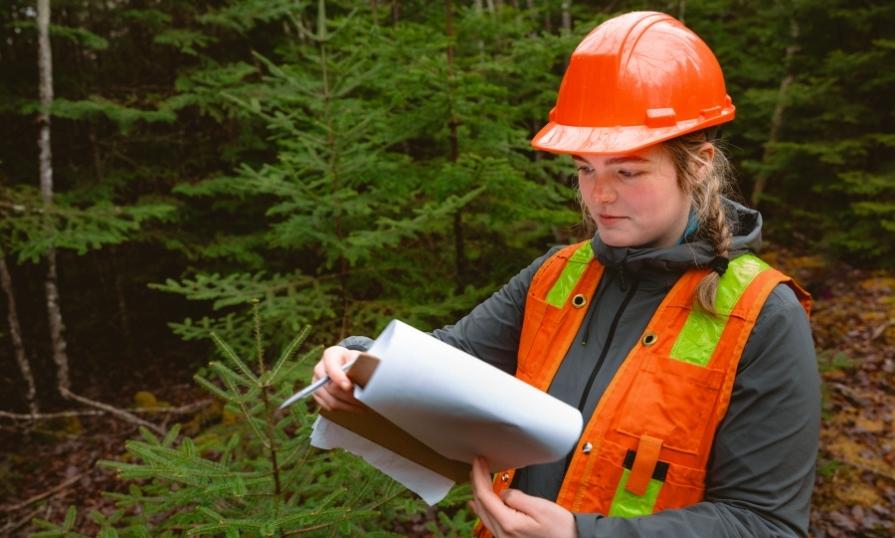
Nova Scotia’s forests support a wide range of careers that combine science, technology, hands-on work and environmental stewardship. Whether you enjoy working outdoors, operating advanced equipment, analyzing data or helping manage natural resources, the forest sector offers many rewarding pathways that help ensure our forests remain healthy, productive and sustainable for future generations. Below are some career paths you can pursue in the forest sector and the type of work each role involves.
Forest stewardship and harvest
1. Forest Harvesting
Forest harvesting professionals plan and carry out the responsible cutting of trees for wood products. They work with harvesting equipment and teams to ensure operations are efficient while protecting soil, water and surrounding ecosystems. This career is ideal for people who enjoy working outdoors and contributing directly to the sustainable use of forest resources.
2. Forest Inventory Resource Officer
Forest inventory resource officers collect and analyze data about forest conditions, tree species, growth and health. Their work helps guide decisions about forest management, conservation and harvesting. Students interested in environmental science, fieldwork and data collection often find this role rewarding.
3. Forest Technician
Forest technicians support forest professionals by conducting field surveys, collecting environmental data and assisting with forest management activities. Their work may include identifying tree species, measuring forest growth and monitoring forest health. Students who enjoy hands-on outdoor work and learning about forest ecosystems can develop these skills through the Natural Resources Environmental Technology (NRET) program, which provides practical training in environmental monitoring and resource management.
4. Geomatics Technician
Geomatics technicians use technologies such as GPS, GIS and remote sensing to map landscapes and analyze spatial data related to forests and natural resources. Their work helps forest professionals understand land features, plan operations and monitor environmental changes. Students interested in mapping, data and technology can build these skills through the Geographic Information Systems Technician program, which provides training in geographic information systems and digital mapping tools used across the natural resource sector.
5. Heavy Equipment Operator
Heavy equipment operators use specialized machinery such as harvesters, forwarders and loaders to support forest operations. Their work is essential for safely moving logs and materials in forest environments. This career suits people who enjoy operating machinery and working in outdoor settings.
6. Logging Truck Driver
Logging truck drivers transport harvested timber from forests to processing facilities. The role requires strong driving skills, attention to safety and an understanding of forest operations. It’s an important link in the forest supply chain and offers opportunities to work across many parts of the province.
7. Silviculturist
Silviculturists focus on the growth, health and regeneration of forests. They plan activities such as planting, thinning and tending young forests to ensure long-term sustainability. If you are interested in ecology, forest science and long-term environmental stewardship, this career path is exciting and rewarding.
8. Urban Forester
Urban foresters manage and protect trees in towns and cities. They help plan green spaces, maintain tree health and ensure urban forests contribute to healthier communities. This role blends environmental knowledge with community planning and is ideal for students interested in sustainability in urban environments.
9. Woodlands Manager
Woodlands managers oversee large forest areas and coordinate activities such as harvesting, conservation and land stewardship. They work with landowners, contractors and environmental experts to balance economic and ecological goals. If you enjoy leadership and strategic planning in natural resource management, this career ticks all the boxes.
Parks and conservation
1. Conservation Enforcement Officer
Conservation enforcement officers help protect natural resources by enforcing environmental laws and regulations. They work in the field to ensure activities such as hunting, fishing and forestry follow provincial guidelines. This role suits individuals passionate about conservation and public safety.
2. Environmental Consultant
Environmental consultants help organizations plan projects in ways that protect ecosystems and natural resources. They may conduct environmental assessments, analyze field data and recommend strategies to reduce environmental impacts. Students interested in environmental science and sustainability can build a strong foundation for this work through the Natural Resources Environmental Technology (NRET) program, which focuses on field techniques, environmental monitoring and resource stewardship.
3. Park Planning Technician
Park planning technicians support the development and management of parks and protected areas. They help design trails, recreation spaces and conservation plans that balance visitor use with environmental protection. This role is ideal for learners who enjoy planning outdoor spaces and protecting natural landscapes.
4. Park Ranger
Park rangers work in parks and protected areas to maintain facilities, support visitors and help conserve natural environments. They often lead educational programs and monitor wildlife and ecosystems. This career is well-suited to people who enjoy outdoor work and connecting others with nature.
5. Wildlife Conservationist
Wildlife conservationists study and protect animal populations and their habitats. They conduct research, monitor species and help develop conservation strategies. Students interested in biology, ecology and protecting biodiversity may find this career meaningful.
Mill operations
1. Industrial Engineer
Industrial engineers improve production systems within mills and manufacturing facilities. They focus on efficiency, safety and workflow improvements to help operations run smoothly. This career is exciting if you love engineering, problem-solving and optimizing complex systems.
2. Industrial Repair Technician
Industrial repair technicians maintain and repair machinery used in wood processing and manufacturing. Their work helps prevent downtime and keeps operations running safely and efficiently. This career is ideal for individuals who enjoy mechanical work and troubleshooting equipment.
3. Logging Machinery Operator
Logging machinery operators run specialized equipment used in harvesting and processing timber. Their role requires technical skill, safety awareness and coordination with forest teams. It’s a strong option for learners interested in working with advanced machinery in forest operations.
4. Lumber Grader
Lumber graders inspect and classify wood products based on quality and characteristics. Their assessments help ensure lumber meets industry standards and is suitable for different uses. Students with attention to detail and an interest in wood products may find this role appealing.
5. Material Handler
Material handlers move and organize wood products and materials within mills or processing facilities. They ensure materials flow safely and efficiently through production lines. This role is well-suited to individuals who enjoy active work in industrial environments.
6. Occupational Health & Safety Officer
Occupational health and safety officers help ensure workplaces operate safely. In forestry and mill environments, they monitor procedures, train employees and help prevent accidents. This career is ideal for students interested in workplace safety and regulatory compliance.
7. Operations Manager
Operations managers oversee mill production and coordinate teams, resources and processes. They ensure operations meet safety, quality and efficiency goals. This leadership role suits individuals interested in management and industrial operations.
8. Quality Control Officer
Quality control officers monitor products and processes to ensure they meet industry standards. They inspect materials, review procedures and help maintain consistent product quality. Students interested in precision, standards and production processes may find this role rewarding.
9. Sawmill Machine Operator
Sawmill machine operators run equipment that cuts and processes logs into lumber and wood products. Their work requires technical skill and attention to safety. It’s a key role in transforming raw timber into materials used in construction and manufacturing.
10. Wood Processing Machine Operator
Wood processing machine operators manage machines that shape, finish and prepare wood products for various industries. Their work supports the production of furniture, building materials and other wood-based products.
Forest science, research and innovation
1. Biologist
Biologists study living organisms and ecosystems within forest environments. Their work helps improve understanding of biodiversity, forest health and environmental change. This career is exciting if you are interested in scientific research and environmental protection.
2. Forest Researcher
Forest researchers investigate topics such as forest growth, climate impacts and sustainable management practices. Their findings help inform policies and improve forest practices. Students interested in scientific discovery and innovation may find this career engaging.
3. Entrepreneur
Entrepreneurs in the forest sector develop new products, services and technologies related to forestry and wood resources. This could include sustainable wood products, forest-based innovations or environmental services. Students interested in business, innovation and sustainability may choose this path to create their own opportunities in the sector.
As you consider these career options, it is helpful to find out which programs and fields align best with your interests. Take our Career and Program Quiz to discover programs tailored to your strengths and options you may not have considered. The quiz asks a few short questions about your preferences, then suggests programs and career areas that may be a good fit for you.