

Meeting growing demand for skilled drone operators
Date: Nov. 04, 2026
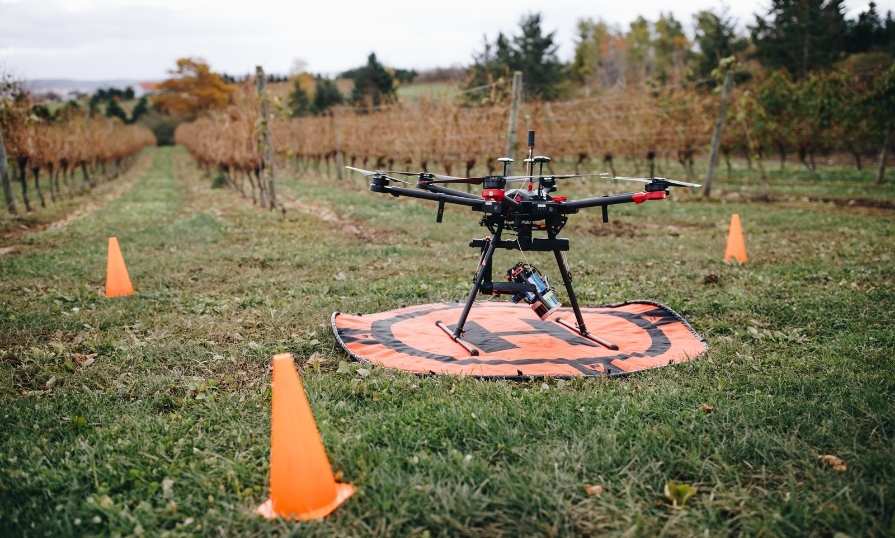
As drone use expands across industries, NSCC is helping build the skilled workforce needed to support it.
Drones are becoming an increasingly important tool for organizations across Canada. From emergency management and defence to research, construction and infrastructure inspections, their ability to quickly collect information and improve operational awareness is driving adoption across sectors.
As their use grows, so does the need for skilled, certified operators. NSCC is helping meet that need through industry-focused drone training and Transport Canada-certified flight reviews that support the safe and effective integration of drone technology into workplaces across Nova Scotia and beyond.
More than a flying camera
While many people think of drones as simple aerial photography tools, today's remotely piloted aircraft systems (RPAS) are being used in activities such as infrastructure inspections, data collection, emergency response and operational planning.
Matt Adams, NSCC's Manager of Workforce Development, is seeing demand for drone training increase across a wide range of sectors.
"We are seeing use cases ranging from emergency management incidents, border and maritime patrol, manufacturing equipment and electrical grid infrastructure inspections and many more," says Matt.
As adoption grows, so does the need for trained operators who understand not only how to fly a drone, but also the regulations and safety requirements that come with it.
"There are legal frameworks and safety considerations that people need to understand," says Matt. "If drones are not operated properly, they can put people at risk, interfere with emergency response efforts or enter restricted airspace."
For organizations looking to incorporate drone technology into their operations, training is an important first step.
Training that meets industry needs
NSCC offers several pathways for individuals and organizations looking to build drone capabilities:
- Drone Small Basic Licence Preparation
- Drone Small Advanced Flight Review Preparation
- RPAS Small Advanced Flight Reviews with a Transport Canada-certified instructor
Training and flight reviews can also be delivered on demand for organizations seeking customized solutions tailored to their operational requirements.
Whether an organization is exploring drone technology for the first time or expanding an existing program, NSCC works with employers to develop training that aligns with their workforce development goals and day-to-day operations. Training is delivered by faculty from NSCC's Centre of Geographic Sciences (COGS), bringing expertise in geospatial technologies, remote sensing and drone operations to learners across sectors.
Building capacity for emergency management
One organization that recently partnered with NSCC is Nova Scotia's Department of Emergency Management.
NSCC delivered customized training and certification support for 15 staff members, helping them build the knowledge and practical skills needed to safely deploy drone technology in emergency situations.
Over 3 days, participants learned the regulatory framework, flight planning processes, risk assessment procedures and operational safety practices required to operate drones effectively. They also received hands-on flight training and completed the flight reviews needed to obtain their Transport Canada certification.
The training provided a streamlined path from learning to certification, allowing participants to build confidence operating drones while earning the credentials required to use them professionally.
Andrew also noted NSCC's flexibility in scheduling and delivery, which allowed staff to remain on site throughout the training while minimizing disruption to operations.
Challenging misconceptions
One of the biggest misconceptions organizations have about drones is that they can simply purchase a device and start using it immediately.
In reality, drone operations are governed by regulations that vary based on factors such as drone weight, operating environment and intended use. Many professional applications require advanced certification, flight reviews and a strong understanding of Transport Canada requirements.
That's why NSCC's training focuses on more than operating the technology. Learners also gain an understanding of the rules, responsibilities and safety protocols needed to use drones legally, safely and effectively.
Preparing for the future
Looking ahead, drone technology is expected to play an even larger role in emergency management and defence applications.
In emergency situations, drones can help responders assess wildfire conditions, support search and rescue efforts, monitor large-scale events and gather critical information without putting personnel in harm's way. Their ability to be deployed quickly and provide a real-time view of developing situations makes them a valuable tool for decision-making.
As investment in Canada's defence sector continues to grow, demand for skilled drone operators is also expected to increase.
"As drone technology continuously advances across a multitude of sectors, NSCC is supporting organizations to safely and confidently pass their licensing exams, Transport Canada flight reviews and gain the skills they need to efficiently utilize drones in their sector," says Matt. "Our goal is to help train the workforce to safely and confidently use this technology to drive economic benefit and create good jobs here in Nova Scotia."
Learn more
To learn more about NSCC's drone training opportunities or discuss customized training solutions for your organization, contact Workforce Development Manager Matt Adams at .