

Students solving real-world challenges through research
Date: Sep. 28, 2026
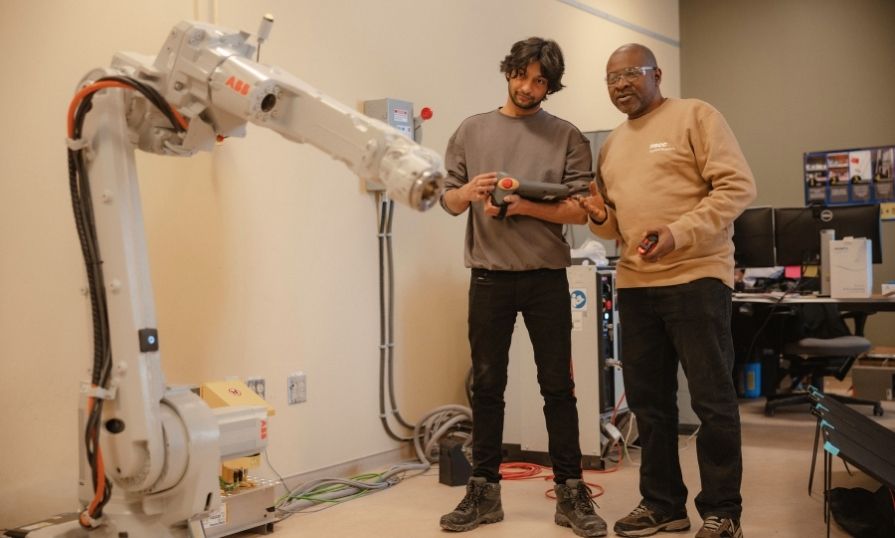
When people think about colleges, they often think about classrooms, labs and hands-on learning. Increasingly, they should think about research too.
Across Canada, colleges are helping businesses and communities solve real-world challenges through research projects that test new ideas and improve products, services and processes. Through NSCC Applied Research, students work on real projects with researchers and industry and community partners, building skills and experience while helping tackle challenges that matter.
A new article published in the Canadian Journal of Higher Education highlights how colleges can build successful applied research programs that support innovation while creating meaningful opportunities for students. Co-authored by NSCC's Mat Vankoughnett and Joanne Firth alongside applied research leaders from colleges and institutes across Canada, the article brings together lessons learned from institutions at various stages of research development.
The findings reinforce the value of the kind of applied research taking place at NSCC, where students gain hands-on experience by working with researchers and partners to address real-world challenges.
Why applied research matters
Unlike traditional academic research, which often focuses on expanding knowledge, applied research focuses on finding solutions to problems industry and communities face today.
At colleges, that often means partnering with businesses, non-profit organizations, communities and governments to address industry needs, explore new ideas and drive innovation. These projects can lead to new products, improved processes, sustainable technologies and solutions to pressing social and environmental issues.
For students, applied research provides an opportunity to apply what they're learning in the classroom to projects that have a tangible impact. Whether working with industry partners, contributing to sustainability initiatives or helping develop new technologies, students gain hands-on experience, build valuable connections and develop skills that can help launch their careers.
What the research found
Based on lessons learned from 15 colleges and institutes across Canada, the article identifies 7 key strategies for building strong applied research programs. While some strategies focus on how colleges support research behind the scenes, others highlight the benefits for students, industry partners and communities.
- Start with community needs
The most impactful research starts with understanding local challenges and opportunities. By partnering with businesses, community organizations and other groups, colleges can focus on projects that address real needs, support innovation and strengthen communities. - Create opportunities for students
Connecting research to student learning is one of the article's key themes. Applied research gives students the chance to work on real projects, build practical skills and connect with industry partners. It's an opportunity to apply classroom learning while gaining experience that can help launch a career. - Share success stories
Research can lead to new products, improved processes and solutions to important challenges. Sharing those stories helps more people understand the impact colleges are having in their communities and inspires new partnerships and ideas. - Learn from others
The article also highlights the value of collaboration across the college sector. By sharing ideas, lessons learned and best practices, institutions can strengthen their research programs and expand opportunities for students and partners alike.
What it means for NSCC
For NSCC, the findings reflect work already happening across the college. Applied research brings students, researchers and partner organizations together to tackle real-world challenges. Through these projects, students gain hands-on experience, build professional connections and develop career-ready skills while contributing to meaningful work in their communities.
From using drones and mapping technology to help businesses and communities make better decisions to supporting sustainability projects and testing new technologies, applied research gives students the opportunity to apply their learning beyond the classroom and make a meaningful impact.
The article reinforces the importance of collaboration, student involvement and research that creates benefits for students, partners and communities alike.
Get involved in research at NSCC
- Students: Explore applied research through capstones, volunteer opportunities and paid research assistant roles. Join the Student Research Network to learn about current opportunities and events.
- Industry and community partners: Have a challenge or idea you'd like to explore? Submit a project intake form to connect with our applied research team.