

Behind the scenes of sustainability: Meet Anna Jessop
Date: Nov. 25, 2026
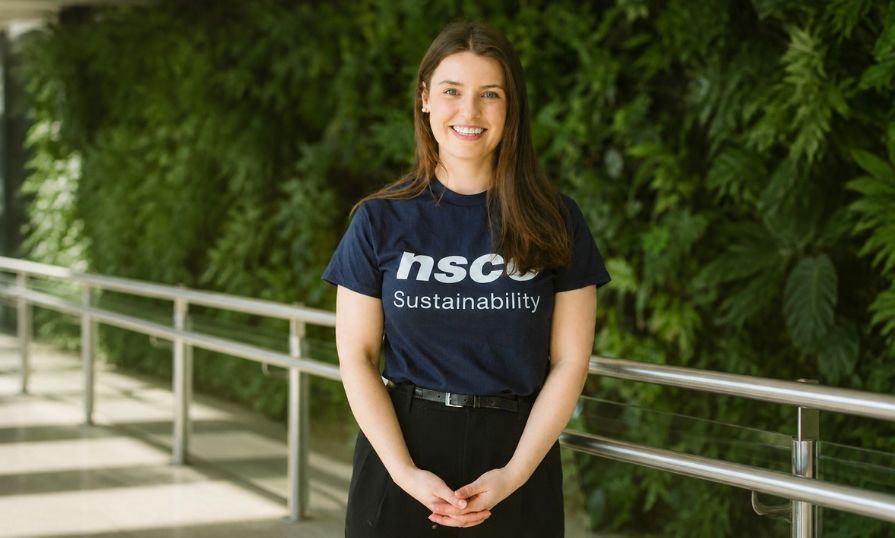
When people think about sustainability, they may picture solar panels or electric vehicles. Behind those visible changes is ongoing work to make campuses more energy efficient and resilient.
Over the past 5 years, Anna Jessop has led projects changing how NSCC campuses use energy, from geothermal heating systems and solar installations to climate resilience planning and building upgrades.
"I knew I wanted to work in an area that would have a real impact," says Anna. After beginning her studies in the biological sciences and later earning a master's degree in environmental management, she was drawn to the institutional sector.
"I thought an institutional environment would be a great place to make a difference, and that's really what drew me to this work."
The work you don't always see
When Anna talks about sustainability, buildings are often at the centre of the conversation.
Because buildings account for most of the college's energy use, greenhouse gas emissions and utility costs, the way campuses are designed and operated has a significant impact on both environmental performance and operating expenses.
"Our team looks at how our campuses use energy and where we can make improvements," she explains. “That could mean upgrading equipment, exploring new technologies or finding opportunities to operate buildings more efficiently."
Some of those changes are easy to spot, such as solar panels and building envelope upgrades. Others happen quietly in the background, from LED lighting retrofits to occupancy sensors that reduce unnecessary energy use.
"These projects may seem small initially, but when you scale them across 14 campuses, they really make a significant difference," she says.
Much of the work, however, happens long before a project becomes visible on campus.
"I think people would be surprised by the amount of analysis and coordination that goes into a project before you ever see it," says Anna. "We're always working in the background on feasibility studies, researching new technologies and making sure the decisions we make today will serve the college well for years to come."
Walking the walk
When Anna joined NSCC, she became part of a sustainability journey nearly 2 decades in the making.
Since 2007, the college has cut energy consumption by 20 per cent while expanding its building footprint by approximately 25 per cent. Over the same period, greenhouse gas emissions have fallen by roughly 41 per cent.
"We have a goal to be net zero by 2050, so knowing we're getting closer makes it feel a little more achievable," says Anna.
Aging fuel oil and propane heating systems are being replaced with cleaner technologies such as heat pumps and geothermal energy. At Sydney Waterfront Campus, geothermal wells and high-efficiency heat pumps work together to provide heating and cooling year-round. Across the province, other initiatives, including solar installations, EV charging stations and biomass heating systems, are helping reduce emissions while supporting local industries.
Learning through living labs
Across NSCC, campus infrastructure is becoming a learning resource, helping students see the technologies they're studying in action.
One example is Cumberland Campus, where a geothermal wall uses water from former mining shafts as a teaching resource for students studying geothermal HVAC systems. At Sydney Waterfront Campus, geothermal supply and return wells connected to high-efficiency heat pumps help students gain hands-on exposure to technologies they may encounter in their future careers.
"The more we can tie learning outcomes into the living environment of the campus, the greater the opportunity for students to learn hands-on," says Anna.
That focus on experiential learning can extend well beyond Nova Scotia. In 2026, Anna helped lead a sustainability learning program in Grenada through NSCC International, providing students with an immersive learning experience focused on sustainability and the United Nations Sustainable Development Goals.
"What stood out to me in Grenada was the range of ways sustainability was being put into practice," she says. "In the same week, we visited a 17th-century distillery that still uses hydropower and saw newer technologies helping communities adapt to a changing climate, including a home that can draw power from an electric vehicle during a storm."
Preparing for the future
While reducing emissions remains a key focus, Anna says an increasing part of her work involves helping campuses adapt to the impacts of climate change.
"We know the actions we're taking today aren't going to stop climate change entirely," she explains. "We also need to prepare for the impacts we're already seeing."
Working alongside colleagues in Public Safety and emergency management, Anna is helping prepare campuses to support communities when they're needed most. Annapolis Valley Campus, for example, can operate as a comfort centre during climate-related emergencies and has previously supported response efforts during major wildfire events.
"We're looking at how our campuses can continue to support students and communities when they're needed most," says Anna.
The people behind the progress
Despite spending much of her time focused on buildings and infrastructure, what makes Anna most proud isn't a project or a piece of technology.
"It's the people and the community we have here," she says. "The projects are important, but what really stands out are the people who champion sustainability every day. Seeing that commitment across our campuses gives me a lot of optimism for what's possible."